Understanding Custom Manufacturing Software with Product Configurators
In the fast-evolving landscape of manufacturing, companies have increasingly turned to custom manufacturing software with product configurators to enhance their operational efficiency and meet customer demands. This technology allows businesses to offer tailored solutions, transforming complex product specifications into a straightforward user experience. With the surge in demand for custom-made products, understanding these software solutions becomes imperative for manufacturers aiming to stay competitive in today's market.
What is Custom Manufacturing Software?
Custom manufacturing software refers to specialized applications designed to streamline various processes associated with manufacturing, particularly for products that are configurable and require a level of customization. This software encompasses functionalities such as order management, production planning, inventory control, and customer relationship management (CRM). By integrating these elements, manufacturers can create a cohesive system that addresses unique production needs while improving overall workflow.
Benefits of Using Product Configurators
- Enhanced Customer Experience: Product configurators provide a user-friendly interface where customers can personalize their products according to their preferences, which helps them visualize the final output.
- Increased Efficiency: Automation of the sales process reduces the time spent on quoting and order entry, leading to faster turnaround times.
- Reduced Errors: By using predefined rules and validations, configurators minimize the chances of incorrect orders, which can arise from manual processes.
- Better Data Management: With all product specifications captured digitally, manufacturers can easily analyze trends, manage inventory, and optimize production schedules.
Key Features to Look for in a Solution
When selecting custom manufacturing software, consider features that will facilitate seamless integration into existing workflows. Essential functionalities include:
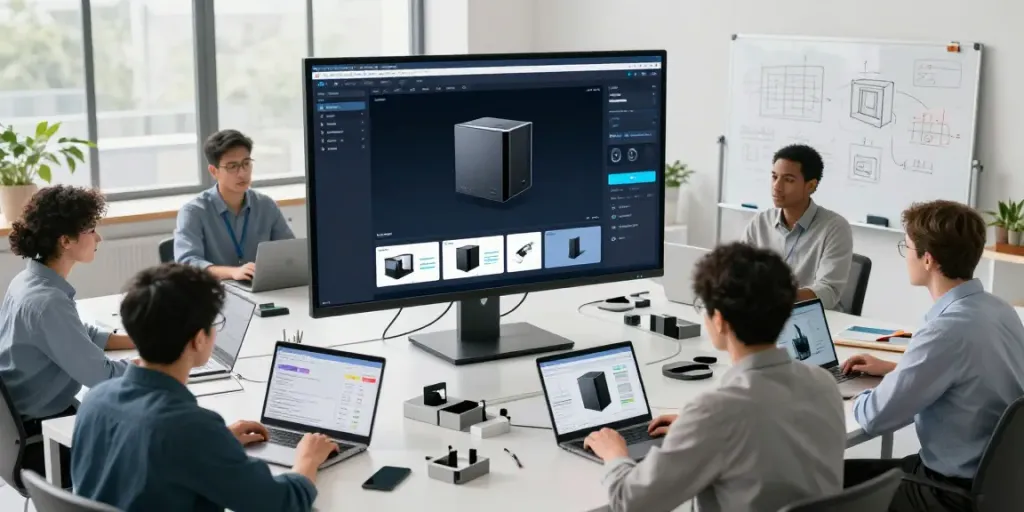
- 3D Visualization: This allows customers to see and interact with their configurations in real-time.
- Bill of Materials (BOM) Generation: Automatic creation of BOM as per customer specifications streamlines production planning.
- API Integrations: Ensure the software can connect with existing CRM, ERP, and other essential business systems.
- User Management: Features that allow different levels of access for sales teams, dealers, and customers enhance operational security.
Challenges in Implementing Product Configurators
While the benefits of product configurators are numerous, manufacturers frequently encounter challenges during implementation. Acknowledging these hurdles can help in strategizing effective solutions.
Common Obstacles Faced by Manufacturers
Some manufacturers may struggle with the initial setup due to the complexity of their product offerings. A common obstacle is the accurate mapping of all product variants and rules within the configurator, which can be cumbersome and resource-intensive. Additionally, some systems may require extensive training for users, leading to initial resistance from staff who are accustomed to traditional methods.
Addressing Integration with Existing Systems
Another significant challenge is ensuring that the new configurator integrates smoothly with existing ERP and CRM systems. Manufacturers must evaluate their current infrastructure and determine the level of customization and support needed to achieve effective integration. This often involves collaboration between IT teams and end-users to ensure that all functionalities are aligned.
Managing User Adoption Among Teams
The success of any new software hinges on user adoption. To encourage acceptance, manufacturers should invest in comprehensive training programs and support systems. Regular feedback sessions can also be useful in identifying pain points and adapting the system for better usability.
Best Practices for Effective Implementation
To successfully implement a product configurator, manufacturers should follow a structured approach that involves the participation of all stakeholders.
Step-by-Step Guide to Launching a Configurator
- Assess Requirements: Begin by defining your business objectives and understanding the specific needs of your customers.
- Engage Stakeholders: Include input from sales, marketing, and production teams to gather diverse perspectives on software requirements.
- Select the Right Vendor: Choose a vendor who specializes in custom software solutions for your industry, ensuring they understand your unique needs.
- Conduct Testing: Before full deployment, conduct pilot tests with select user groups to identify issues and gather feedback.
- Launch and Monitor: After launching, continually monitor system performance and user engagement to make necessary adjustments.
Collaborating with Stakeholders for Success
Collaboration is key to a successful configurator launch. Regular check-ins with stakeholders can ensure alignment on objectives and facilitate prompt resolution of issues. Furthermore, keeping communication channels open encourages team members to share insights, resulting in a more refined configuration process.
Testing and Iterating on Configurator Designs
Testing is crucial not just pre-launch but also post-launch. Gathering data on user interactions can provide insights into which features are effective and which might need further refinement. Continuous iteration can help maintain an optimal user experience and ensure that the configurator remains relevant as market demands evolve.
Real-World Applications and Case Studies
Examining successful implementations of product configurators can provide valuable insights into best practices and potential pitfalls.
Successful Implementations Across Industries
Many industries have successfully integrated product configurators into their operations, including automotive, home furnishings, and construction. For example, furniture manufacturers that offer configurable sofas often see increased customer engagement due to the interactive nature of the configurator, allowing customers to visualize different fabric options and layouts.
Lessons Learned from Leading Manufacturers
Leading manufacturers have found that investing in user experience design and continuous feedback loops significantly enhances configurator performance. Moreover, establishing comprehensive documentation and training materials ensures that new team members are brought up to speed quickly, fostering a culture of innovation and adaptability.
How Configurators Enhance Customer Experience
Product configurators enhance customer experiences by providing personalization options, thereby increasing satisfaction and conversion rates. By allowing customers to visualize and modify their products in real-time, businesses foster a sense of ownership and involvement in the design process, leading to stronger brand loyalty and repeat purchases.
Future Trends in Custom Manufacturing Software
The landscape of manufacturing software is ever-changing, with technological advancements shaping the future of product configurators.
Emerging Technologies Shaping Product Configuration
The integration of technologies such as artificial intelligence (AI) and machine learning (ML) into product configurators is expected to revolutionize how manufacturers operate. These technologies can analyze customer data to suggest optimal configurations based on preferences, leading to more personalized experiences.
Predictions for the Future of Manufacturing Software
Looking forward, it's anticipated that the software will evolve to include even more dynamic features, such as augmented reality (AR) capabilities, allowing customers to visualize products in their intended environment before purchase, enhancing decision-making processes.
Adapting to Market Changes and Consumer Demands
As consumer preferences shift towards more sustainable and environmentally friendly products, manufacturers will need to adapt their configurators accordingly. This may involve integrating features that allow customers to choose eco-friendly materials or view the carbon footprint associated with various product options.
What are the benefits of using a product configurator?
The benefits include improved customer satisfaction through personalization, increased efficiency in sales processes, and reduced error rates in order fulfillment.
How does custom manufacturing software improve efficiency?
By automating various steps in the production process, such as quoting and order management, manufacturers can significantly reduce lead times and operational costs.
Can a product configurator integrate with existing ERP systems?
Yes, most modern product configurators are designed with APIs that facilitate integration with existing ERP systems, ensuring seamless data flow between platforms.
What industries benefit most from product configurators?
Industries such as furniture, automotive, construction, and electronics typically benefit the most, as they often deal with complex, customizable products.
How do I choose the right product configurator for my business?
Assess your specific needs, including product complexity, customer interaction requirements, and existing system integrations, before evaluating vendor offerings that align with those criteria.