Understanding CNC Machining Parts
CNC (Computer Numerical Control) machining parts play a crucial role in modern manufacturing, enabling precise and efficient production of components across various industries. Since 2003, Honscn has been at the forefront of offering professional cnc machining parts, characterized by high precision, expert support, and fast delivery. This article provides an in-depth look at CNC machining parts, their benefits, applications, and the processes involved in their production.
What Are CNC Machining Parts?
CNC machining parts are components produced through a subtractive manufacturing process where material is removed from a solid block (known as a workpiece) to achieve the desired shape. This process utilizes computer-controlled machines, which enhances accuracy and allows for the repetition of complex designs. Various materials can be machined, including metals, plastics, and composites, making CNC machining a versatile option for different applications.
Key Benefits of CNC Machining
- High Precision: CNC machines can achieve tolerances as tight as ±0.001 inches, ensuring each part meets strict specifications.
- Efficiency: Automated processes reduce production times, allowing for faster turnaround on orders.
- Flexibility: CNC machining can easily adapt to produce both low and high volumes of parts, making it suitable for prototypes and mass production alike.
- Complex Geometries: The technology enables the creation of intricate designs that would be difficult or impossible to produce manually.
- Consistency: Once a design is programmed, the machine can replicate the same workpiece multiple times without variation.
Common Applications in Various Industries
The versatility of CNC machining parts means they are used in a wide array of industries, including:
- Aerospace: Components such as brackets, housings, and panels that require high strength-to-weight ratios.
- Automotive: Parts for engines, transmissions, and suspension systems that demand precision and durability.
- Medical: Surgical instruments, prosthetics, and implants that require stringent quality standards.
- Electronics: Enclosures and connectors that often require intricate designs.
CNC Machining Processes Explained
Understanding the specific processes of CNC machining is essential for selecting the right method for manufacturing parts. Each technique has its unique set of advantages and applications.
CNC Milling vs. CNC Turning
CNC milling and CNC turning are two primary machining processes. CNC milling involves using rotating cutting tools to remove material from a stationary workpiece, making it ideal for creating complex shapes and features. Conversely, CNC turning involves rotating the workpiece against a stationary cutting tool, typically used for cylindrical parts. Choosing between milling and turning depends on the part's geometry and requirements.
Understanding Injection Molding Service
Injection molding involves injecting molten plastic into molds to create parts. While it's a different process from CNC machining, it can complement CNC machining services by producing high volumes of parts that can later be finished through CNC machining for precision. This hybrid approach is becoming increasingly popular for industries looking to maximize efficiency and reduce costs.
Choosing the Right Process for Your Parts
When selecting the right CNC machining process, consider factors such as material type, complexity, production volume, and finish quality. Collaborating with experienced manufacturers like Honscn can help streamline this decision, ensuring the best outcomes for your projects.
Quality Assurance in CNC Machining Parts
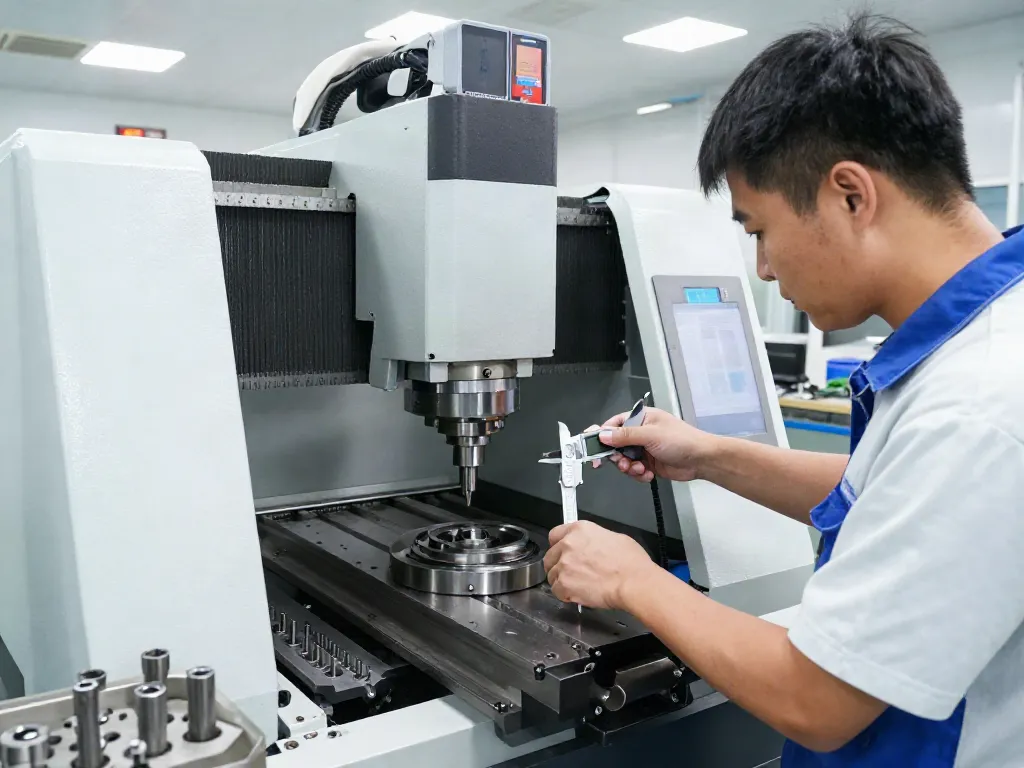
Quality assurance is vital in CNC machining, as even minor deviations can lead to significant issues in functionality and safety. Implementing comprehensive quality control measures is essential to maintain standards and ensure customer satisfaction.
Importance of Precision in Manufacturing
The precision of CNC machining parts directly affects their performance in applications. Highly precise parts ensure proper fit and function, minimizing the risk of failure in critical applications such as aerospace and medical devices.
Quality Control Measures to Implement
- Regular Calibration: Machines should be regularly calibrated to maintain accuracy.
- Inspection Protocols: Establishing strict inspection protocols can help catch defects early in the production process.
- Use of High-Quality Materials: Sourcing materials from reputable suppliers can also reduce the risk of defects in the final product.
Certifications and Standards to Consider
Certifications such as ISO 9001 indicate a manufacturer’s commitment to quality management and continuous improvement. Selecting manufacturers with relevant certifications can ensure you receive high-quality CNC machining parts.
Challenges in CNC Machining Parts Production
Although CNC machining offers many benefits, challenges exist in production that can affect quality and efficiency.
Common Obstacles Faced by Manufacturers
Manufacturers often face challenges such as maintaining precision across large production runs, managing complex geometries, and adhering to rapid delivery timelines without compromising quality.
Reducing Lead Times While Maintaining Quality
To minimize lead times, it is essential to streamline workflows, provide training for operators, and invest in the latest technology. Automated scheduling and real-time inventory tracking can substantially reduce processing times while maintaining output quality.
Addressing Customer Specifications Effectively
Understanding and addressing customer specifications is critical. This can involve thorough communication and collaboration to clarify expectations, thus preventing costly errors during production.
Future Trends in CNC Machining for 2026
As technology evolves, CNC machining continues to adapt and innovate, paving the way for exciting future trends.
Emerging Technologies and Innovations
Technologies such as artificial intelligence (AI) and machine learning are increasingly integrating into CNC machining, enhancing automation and precision. Smart factories, equipped with IoT devices, allow real-time data analysis to improve manufacturing processes.
Sustainability Practices in CNC Manufacturing
Sustainability is becoming a priority in the manufacturing sector. CNC manufacturers are adopting practices such as recycling materials, minimizing waste, and utilizing eco-friendly processes to reduce their environmental impact.
Market Predictions for CNC Machining Parts
Analysts predict a robust growth trajectory for the CNC machining market, driven by the increasing demand for precision parts across various sectors. The continued integration of automation and advanced materials will further enhance the capabilities and efficiency of CNC machining.
What are the 7 major parts of a CNC machine?
The seven major parts of a CNC machine typically include the controller, drive system, feedback system, machine frame, spindle, tooling, and workholding devices. Each part plays a crucial role in ensuring the machine functions effectively and produces high-quality parts.
Can a CNC machinist make 100k a year?
Yes, experienced CNC machinists can earn salaries that exceed $100,000 annually, especially in industries where precision and expertise are highly valued, such as aerospace and medical manufacturing.
How much does it cost to get a part CNC machined?
The cost of CNC machining varies based on factors such as material type, part complexity, and production volume. It's essential to work with manufacturers to obtain accurate quotes tailored to specific project requirements.
What are CNC machined components?
CNC machined components refer to parts created using CNC machining processes, characterized by high precision and the ability to produce complex geometries. These components are integral to various applications in numerous industries, including automotive and electronics.