
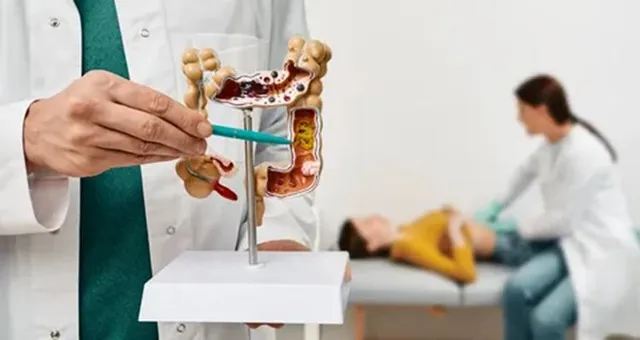
Children often experience stomach pain, constipation, diarrhoea, vomiting, or changes in appetite as they grow. While some symptoms improve with simple care, others may indicate an underlying digestive problem that requires medical attention. Consulting the best pediatric gastroenterologist in Madinaguda can help parents understand persistent symptoms, identify possible causes, and receive appropriate guidance for their child's digestive health. Early evaluation is particularly important when symptoms repeatedly interfere with eating, sleeping, school activities, or normal growth.
Parents should also understand that children's health concerns sometimes involve more than one medical speciality. Knowing when to seek digestive care, what symptoms to observe, and how specialists assess children can help families make informed decisions about their child's well-being.
Understanding When Digestive Symptoms Need Attention
Digestive discomfort is relatively common during childhood. However, parents should pay attention to symptoms that persist, return frequently, or become more severe. A child's age, medical history, eating habits, and growth pattern can all help a doctor understand the possible cause.
Common Symptoms Parents Should Recognise
Certain symptoms may require an appointment with a paediatric digestive specialist, particularly when they affect everyday activities.
● Repeated Abdominal Pain: Frequent stomach pain, especially when it disrupts sleep, eating, or school attendance, deserves medical evaluation.
● Persistent Constipation: Hard stools, painful bowel movements, or prolonged difficulty passing stools may require professional guidance.
● Frequent Diarrhoea: Ongoing loose stools can contribute to dehydration and may affect nutrient absorption.
● Repeated Vomiting: Vomiting that continues or occurs alongside other symptoms should be assessed by a healthcare professional.
● Poor Appetite and Growth: Difficulty eating, unexplained weight loss, or slow growth may indicate a problem that needs investigation.
When these symptoms continue, consulting the best pediatric gastroenterologist in Madinaguda can help parents understand whether further tests, dietary adjustments, or specialised treatment may be necessary.
Conditions That May Require Paediatric Digestive Care
Children can experience several digestive conditions, ranging from temporary problems to long-term disorders. A specialist evaluates symptoms carefully rather than assuming that every stomach complaint has the same cause.
Digestive Problems That Affect Daily Life
Some common conditions that may require paediatric gastroenterology assessment include:
● Gastroesophageal Reflux: Stomach contents move back into the food pipe, sometimes causing discomfort, regurgitation, or feeding difficulties.
● Food Intolerances: Certain foods may trigger bloating, abdominal discomfort, or diarrhoea in some children.
● Chronic Constipation: Persistent difficulty passing stools may require an individual treatment plan and changes to daily habits.
● Coeliac Disease: This condition involves an immune response to gluten that can damage the small intestine and affect nutrient absorption.
● Inflammatory Bowel Disease: Conditions such as Crohn's disease and ulcerative colitis can cause persistent digestive symptoms and require specialist management.
Parents exploring pediatric gastroenterology Madinaguda should look for care that includes appropriate assessment, clear explanations, and follow-up when needed. A doctor may review the child's growth history, bowel habits, food intake, and family medical history before recommending investigations.
How A Paediatric Gastroenterologist Evaluates Children
A paediatric gastroenterologist specialises in digestive conditions affecting infants, children, and adolescents. Their approach considers the child's developmental stage because digestive symptoms can appear differently at different ages.
What Happens During A Consultation?
The first appointment usually begins with a discussion about the child's symptoms and medical background. Parents can help by describing when the problem started, how often it occurs, and whether particular foods or activities appear to trigger it.
The assessment may include:
● Medical History: The doctor asks about symptoms, previous illnesses, medications, and family history.
● Physical Examination: The specialist examines the child and checks for signs that may explain the discomfort.
● Growth Assessment: Weight, height, and growth patterns may provide useful information about nutrition and general health.
● Diagnostic Tests: Depending on the symptoms, the doctor may recommend blood tests, stool tests, imaging, or other investigations.
● Individualised Treatment: Recommendations may include dietary changes, medication, hydration guidance, or additional specialist care.
Choosing the best pediatric gastroenterologist in Madinaguda means considering the doctor's relevant experience, communication style, and ability to explain treatment options in language parents can understand. A suitable specialist should also help families recognise symptoms that require urgent attention.
Preparing Your Child For A Specialist Appointment
A little preparation can make a medical consultation more productive. Children may find unfamiliar clinical settings stressful, so parents should explain the visit calmly and reassure them that the doctor is there to help.
Before the appointment, consider these practical steps:
● Record The Symptoms: Note when symptoms occur, how long they last, and whether they follow meals or certain activities.
● Track Eating Habits: Keep a simple record of meals, fluids, appetite, and any foods that appear to cause discomfort.
● Bring Medical Records: Carry previous test results, prescriptions, and information about existing health conditions.
● Prepare Questions: Ask about possible causes, treatment options, follow-up visits, and any dietary recommendations.
● Share Growth Concerns: Mention changes in weight, height, energy levels, or appetite.
However, parents should not begin restrictive diets or stop prescribed medicines without discussing these decisions with a qualified healthcare professional.
Warning Signs Parents Should Never Ignore
Although many digestive problems can be managed through routine medical care, certain symptoms require prompt attention. Recognising these warning signs helps parents avoid unnecessary delays.
Seek urgent medical assessment if a child experiences:
● Severe or rapidly worsening abdominal pain.
● Blood in vomit or stools, or black, tarry stools.
● Repeated vomiting with an inability to keep fluids down.
● Signs of significant dehydration, such as very little urine, marked drowsiness, or a dry mouth.
● A swollen abdomen accompanied by severe pain or persistent vomiting.
A neurology hospital for kids may provide specialised neurological care, but parents should seek emergency services immediately when severe symptoms occur rather than delaying treatment to locate a particular facility.
Conclusion
Parents should seek medical advice when digestive symptoms persist, return frequently, or interfere with a child's growth and daily routine. Timely assessment helps identify possible causes and supports appropriate treatment. By observing symptoms, preparing for consultations, and following professional advice, families can take practical steps towards better digestive health. Understanding when to seek specialist care also helps parents respond confidently to their child's changing health needs.
Finding appropriate medical care is an important step when a child experiences ongoing digestive concerns. Ankura Hospitals offers healthcare services focused on women and children, helping families explore relevant medical support for their needs. Families looking for the best pediatric gastroenterologist in Madinaguda, exploring pediatric gastroenterology in Madinaguda, or seeking information about a neurology hospital for kids can visit Ankura Hospitals to explore their services and available care options.