Understanding the Fascination: Why Do Celebrities Look Alike?
Throughout history, the phenomenon of celebrities look alike has captivated public imagination. This curious fascination isn’t simply a product of coincidence; it suggests an underlying psychological and sociocultural framework that compels individuals to draw parallels between famous figures, often leading to the discovery of doppelgängers. By exploring the psychology behind these similarities, we can gain insights into societal norms, beauty standards, and even the power dynamics within celebrity culture.
The Psychology Behind Celebrity Look-Alikes
The human brain is wired to recognize patterns, which plays a significant role in how we perceive similarities. When it comes to celebrities, this pattern recognition is amplified by media exposure and social reinforcement. People often gravitate towards familiar faces, both in their personal lives and in the public eye. This is further complicated by the psychological phenomenon known as the mere exposure effect, whereby repeated exposure to certain features can create a sense of preference or affinity.
Moreover, research indicates that individuals have a tendency to project their own qualities onto public figures, leading to a perception that they share similarities. This can help explain why many fans feel a personal connection to celebrities who bear a resemblance to them or those they admire.
When exploring options, celebrities look alike offer a unique framework for understanding these connections.
Historical Examples of Celebrity Doppelgängers
History is rife with examples of individuals who have drawn comparisons to one another despite differing backgrounds and eras. For instance, the striking resemblance between Audrey Hepburn and Anne Hathaway has been celebrated for years, and today, it serves as a vivid reminder of how certain features transcend time. Similarly, icons like Katy Perry and Zooey Deschanel often find themselves compared due to their similar facial features. Such comparisons not only highlight the commonality of certain genetic traits but also underscore cultural shifts in beauty standards over the decades.
Impact of Social Media on Perceptions of Similarity
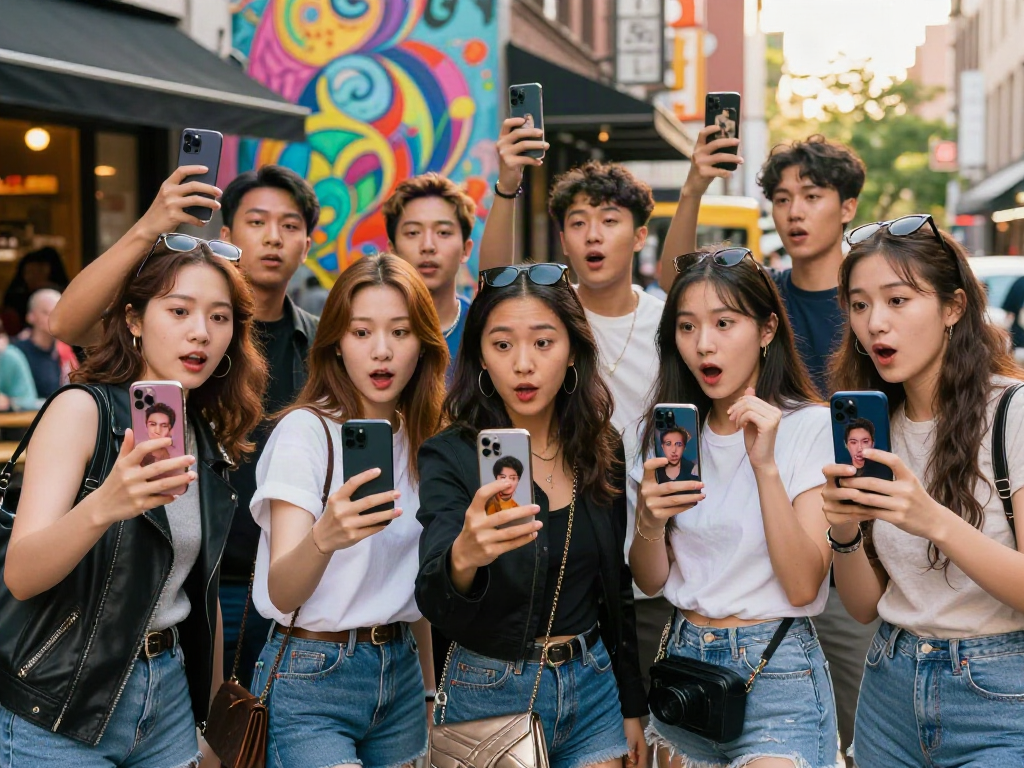
With the rise of social media platforms, the dialogue around celebrity look-alikes has grown exponentially. Generating content that showcases celebrity comparisons has become a trend, as followers engage in discussions about who looks like whom. Platforms like Instagram and TikTok have even enabled users to apply filters that morph their features to resemble those of famous figures. As a result, the exploration of celebrity doppelgängers is no longer confined to the traditional media landscape; it now thrives in a space where everyday users participate in the phenomenon.
Apps and Tools to Discover Your Celebrity Twin
As technology evolves, so do the tools available for discovering celebrity look-alikes. Numerous apps utilize facial recognition technology to match users with celebrities based on uploaded photographs. These tools have transformed curiosity into a fun, engaging experience. The availability of various apps allows users to explore their likeness to their favorite stars while also satisfying the broader fascination with identities and appearances.
Overview of Popular Celebrity Look-Alike Apps
The market is flooded with applications designed for those eager to find their celebrity twins. From StarByFace, which uses advanced neural networks to compare user photos to thousands of celebrity images, to simpler alternatives like Celebs Like Me in app stores, the variety ensures that anyone can find a match. Each app offers unique features, but they all share the same goal: to entertain and engage users through the allure of celebrity likeness.
How AI Technology Matches Your Features
Artificial Intelligence (AI) plays a pivotal role in the accuracy and efficiency of these apps. By analyzing facial geometry, including the distance between eyes, nose shape, and other distinct features, AI can generate a list of celebrities that closely resemble the user. This technological innovation not only enhances user experience but also contributes to the overall appeal of learning about celebrity look-alikes.
Best Practices for Using Look-Alike Apps Effectively
- Choose High-Quality Photos: Ensure the uploaded images are clear and well-lit to improve matching accuracy.
- Experiment with Different Angles: Submitting a variety of photos can yield different results, showcasing various aspects of your appearance.
- Engage with Community Features: Many apps feature interactive elements that allow users to share and discuss their results, enhancing the overall experience.
Identifying Celebrity Look-Alikes: Criteria and Techniques
Understanding what makes certain faces look alike requires a closer examination of facial features and the characteristics that create perceived similarities.
Facial Features That Create Similarities
Several key facial features contribute to the identification of look-alikes. Symmetry plays a crucial role, as people are generally more attracted to symmetrical faces. Other features, such as jawline shape, eye color, and even hair texture, can influence resemblance. Notably, certain combinations of features can create a striking similarity, making it easier for people to draw comparisons between different individuals.
Recognizing Look-Alikes Across Different Cultures
Cultural perceptions of beauty vary widely across the globe; however, certain features can transcend these barriers. For instance, comparisons between actors from different backgrounds, such as Dev Patel and Rami Malek, highlight how similar traits can resonate within various cultural contexts. By recognizing these look-alikes, we can appreciate the diversity of beauty while also acknowledging universal traits that appeal to the human eye.
Common Misconceptions About Celebrity Resemblances
One prevalent misconception is that all celebrity look-alikes must be nearly identical. In reality, many pairs of look-alikes possess only a few common traits, such as a similar smile or hairstyle. Additionally, the idea that only those with striking similarities can be considered look-alikes is misleading. Subtle similarities can create connections that resonate just as deeply with fans.
Real-Life Stories: Celebrity Look-Alike Encounters
The journey of celebrity look-alikes isn’t limited to apps and online comparisons; many remarkable stories have emerged from real-life encounters, where individuals have stumbled upon their doppelgängers.
Famous Cases of Celebrity Look-Alikes Meeting
A notable example is the interaction between Justin Bieber and a fan who bore an uncanny resemblance to him. Their meeting went viral, captivating audiences who were amazed by the striking similarity. Such encounters not only entertain but also deepen the public’s interest in the concept of celebrity look-alikes.
Influencers Sharing Their Celebrity Matches
Social media influencers have also joined the conversation, sharing their experiences of being compared to celebrities. Many create content showcasing their resemblance to famous figures, further fueling the fascination around celebrity look-alikes. This trend highlights an emerging culture where everyday individuals can engage with celebrity likenesses in a more interactive manner.
Community Reactions to Look-Alike Stories
The community response to celebrity look-alike stories is overwhelmingly positive. Discussions surrounding these encounters often foster a sense of camaraderie, with people sharing their own experiences or insights. Online forums provide a space for fans to exchange stories and celebrate similarities that transcend fame.
Future Trends: The Evolution of Celebrity Look-Alikes in 2026
As we move further into 2026, the landscape of celebrity look-alikes is set to evolve alongside advancements in technology and shifts in societal perspectives.
Predictions for AI in Facial Recognition Technology
Future iterations of facial recognition technology are expected to become even more sophisticated, enabling better matches and deeper analysis of traits. As algorithms improve, users can expect more personalized results that resonate with their unique characteristics and identities.
Changing Beauty Standards and Their Impact on Look-Alikes
Beauty standards continue to fluctuate, impacting the way we perceive celebrity look-alikes. As society embraces diversity, it’s likely that we will see a broader range of similarities celebrated across various demographics, challenging traditional ideals.
Emerging Social Trends Surrounding Celebrity Culture
As the lines between celebrities and everyday individuals blur, social trends may focus more on the authenticity and relatability of public figures. This shift can lead to increased interest in ordinary people who share features with celebrities, reshaping the narrative around looks and fame.
What Types of Celebrity Look-Alikes Will Dominate?
Future celebrity look-alikes may showcase a blend of traditional and contemporary aesthetics, reflecting a diverse range of influences. As cultural exchanges increase, expect to see a wider variety of look-alikes that break conventional molds.
How to Leverage Celebrity Look-Alikes for Marketing
In the realm of marketing, brands can harness the allure of celebrity look-alikes to captivate audiences. Collaborations with influencers who exhibit resemblance to well-known figures can drive engagement and create unique marketing strategies that resonate with consumers. By tapping into the fascination surrounding likenesses, companies can foster deeper connections with their target demographic.
What is a celebrity look-alike?
A celebrity look-alike refers to an individual who bears a striking resemblance to a well-known figure in the entertainment industry. This resemblance can be noted in physical features, mannerisms, or overall appearances, leading to comparisons that capture public interest.
How can I find out which celebrity I look like?
To find out which celebrity you resemble, you can utilize various apps and online tools that analyze your photo against celebrity images. The results can provide entertaining insights and comparison options based on facial recognition technology.
Are there any celebrity look-alike competitions?
Yes, numerous competitions celebrate look-alikes, often featuring participants who compete for the title of best doppelgänger. These events offer participants a chance to showcase their similarities while also entertaining audiences with their performances.
How accurate are celebrity look-alike apps?
The accuracy of celebrity look-alike apps varies based on the technology employed and the quality of the images uploaded. While many users report satisfying results, the nature of facial recognition means there will always be variations based on individual features.
Do celebrities have look-alikes in real life?
Indeed, many celebrities encounter individuals who resemble them in everyday life, creating opportunities for interesting encounters and stories. The phenomenon of real-life look-alikes adds another layer to the fascination surrounding celebrity culture.