Understanding Freezer Repair Basics
In the sweltering heat of Dubai, an efficiently working freezer is not just a convenience; it is essential for preserving food, ensuring safety, and minimizing waste. Unfortunately, freezers can develop issues that compromise their functionality. From temperature fluctuations to strange noises, understanding these problems is the first step toward effective freezer repair. By addressing malfunctioning units promptly, you can avoid more significant repairs and increase the lifespan of your appliance. When exploring options, freezer repair services can offer comprehensive insights to help you resolve issues efficiently.
What You Need to Know About Common Freezer Issues
Freezers can experience a range of issues that may disrupt their performance. Common problems include:
- Compressor Failure: A malfunctioning compressor is often at the heart of freezer issues, leading to ineffective cooling.
- Temperature Fluctuations: If your freezer isn't maintaining a consistent temperature, it can lead to food spoilage.
- Icing and Frost Build-Up: Excessive frost can indicate a problem with the defrost system or door seal.
- Noisy Operation: Unusual sounds can be a sign of components wearing out or failing.
Signs Indicating Your Freezer Needs Repairs
Identifying when your freezer needs attention is crucial. Look for the following signs:
- Fluctuating or inconsistent internal temperatures.
- Unusual sounds such as grinding, buzzing, or hissing.
- Excessive frost accumulation, particularly on the evaporator coils.
- Water pooling inside the freezer or leaking onto the floor.
Tools and Parts for Effective Freezer Repair
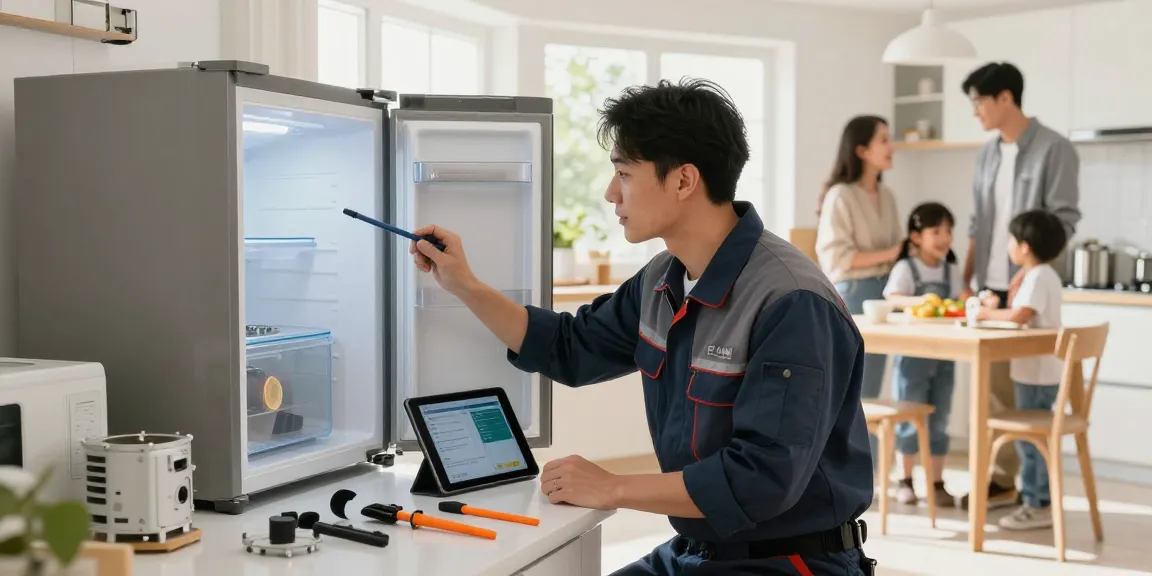
Proper tools and parts are essential for effective freezer repair. Commonly used tools include:
- Multimeter for electrical troubleshooting.
- Screwdrivers (flathead and Phillips) for opening compartments and securing components.
- Wrenches for tightening or loosening fittings.
- Replacement parts such as seals, fans, or compressors that may have failed.
Step-by-Step Freezer Repair Process
Repairing a freezer effectively involves a systematic approach. Following these steps can help ensure thorough servicing:
Gathering Necessary Equipment for Repairs
Before starting any repair process, gather all the necessary tools and replacement parts. This preparation ensures a smooth workflow and prevents unnecessary delays.
Performing a Thorough Diagnostic Check
The diagnostic check involves inspecting key components such as:
- The compressor and its electrical connections.
- The thermostat function and calibration.
- The defrost system's operation, including the defrost timer and heater.
Identifying the Root Cause of Freezer Malfunctions
After assessing the components, identify the root cause of the malfunction. This may involve checking temperature readings, component tests, and observing the operational cycle of the freezer.
Best Practices for Freezer Maintenance
Regular maintenance can significantly reduce the need for repairs. Here are some best practices to keep your freezer operating efficiently:
Regular Cleaning and Maintenance Tips
Cleaning your freezer regularly can extend its lifespan. Some cleaning tips include:
- Defrosting the freezer at least once a year to prevent ice build-up.
- Cleaning the interior with mild soap and water to remove spills and residues.
- Wiping down door seals to ensure they remain airtight.
Optimizing Energy Efficiency for Freezers
Energy efficiency translates to cost savings and environmental responsibility. Optimize your freezer by:
- Keeping the temperature set between -18°C and -15°C for optimal performance.
- Maintaining good air circulation around the appliance.
- Regularly checking and replacing door seals if they appear worn.
Preventive Measures to Avoid Future Freezer Breakdowns
Taking preventive steps can save you time and money in the long run. Consider the following:
- Schedule annual professional maintenance checks to catch issues early.
- Monitor food storage practices to avoid overloading the freezer.
- Keep an eye on energy bills for unusual increases that might signal inefficiencies.
Common Misconceptions About Freezer Repairs
Understanding the facts about freezer repairs can lead to better decision-making. Here are some common misconceptions:
Myths Surrounding DIY Freezer Repair
Many believe they can handle freezer repairs without professional help; however, improper repairs can often lead to more significant issues. It's essential to recognize when to call an expert.
Understanding Warranty and Repair Rights
Another misconception is assuming that all repairs void warranties. Understanding your warranty’s specific terms can help maintain coverage during necessary repairs.
When to Call a Professional for Freezer Repair
If you encounter complex issues, such as compressor failures or electrical problems, it's usually best to consult a professional. Experienced technicians bring the necessary tools and expertise to diagnose and fix issues correctly.
Future Trends in Appliance Repair Services
The appliance repair industry is evolving rapidly. Adapting to these trends can provide better service and efficiency for consumers. Key trends include:
Emerging Technologies in Appliance Repairs
With the advent of smart appliances, technicians are increasingly familiarizing themselves with digital troubleshooting tools and apps that can diagnose problems more efficiently than traditional methods.
Customer Preferences and Service Expectations for 2026
Today's consumers expect faster service and transparency. Many repair companies are moving toward more straightforward pricing and quicker response times to meet these demands.
Innovations in Freezer Technology Affecting Repair Needs
As freezer technology advances, so do the repair requirements. Understanding the latest innovations can help both consumers and technicians anticipate service needs better.
What are the Signs that Indicate a Freezer Needs Repair?
Some common indicators your freezer may need professional attention include:
- Warm spots inside the freezer.
- Failure to maintain the set temperature.
- Frequent cycling of the compressor.
Can I Repair My Freezer Myself?
While some minor issues may be DIY-friendly, such as cleaning and maintaining seals, more complex repairs are best left to professionals. Safety and equipment integrity are paramount.
How Much Does Freezer Repair Typically Cost?
The cost of repairs depends on several factors, including the type of repair needed, parts replaced, and labor. Most commonly, repairs can range from $50 to $300, depending on the severity.
What Brands Do You Cover for Freezer Repair?
Professional freezer repair services typically cover all major brands, including LG, Samsung, Whirlpool, Bosch, and more. If unsure, it's best to inquire directly.
Is There a Service Warranty on Freezer Repairs?
Most reputable repair services provide a warranty on parts and labor. This ensures that if the same fault occurs within a specified period, repairs will be undertaken at no additional cost.