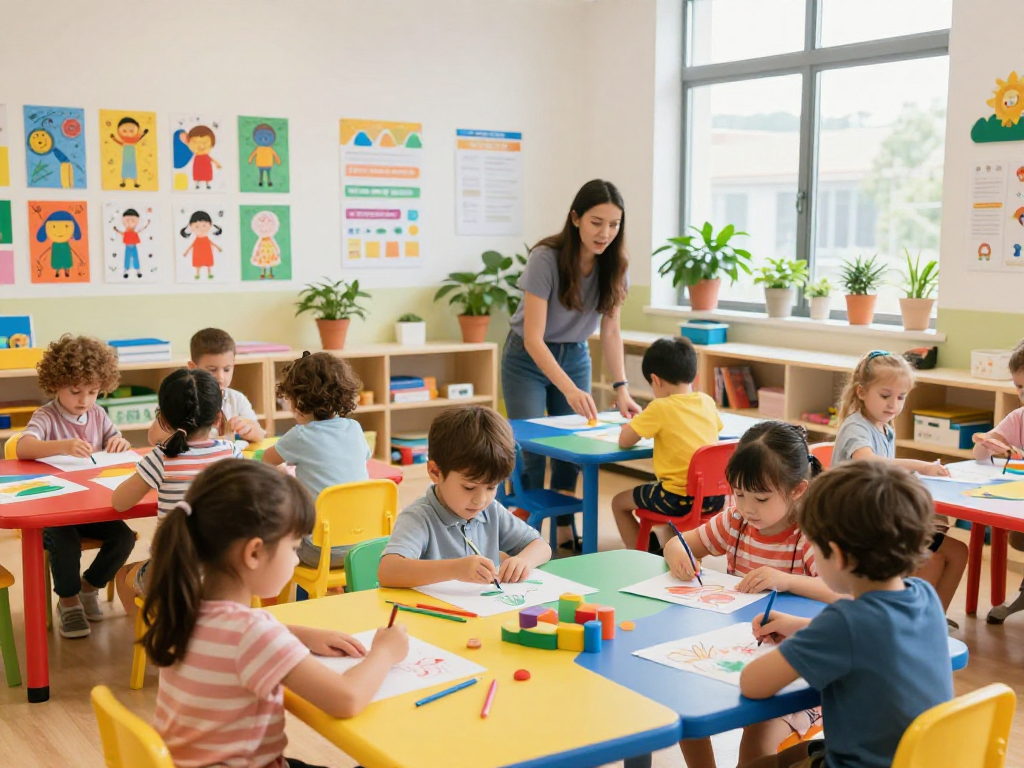
Understanding the Importance of Kindergarten Education
Choosing the right educational foundation for your child is one of the most significant decisions you will make as a parent. Kindergarten education plays a pivotal role in shaping a child's early learning experiences, establishing the groundwork for future academic success. This foundational stage not only nurtures cognitive skills but also fosters social, emotional, and physical development, which are crucial for lifelong learning. Moreover, as parents search for the ideal fit for their little ones, resources like kindergarten near me can provide comprehensive insights into local programs that prioritize holistic growth.
Why Early Learning Matters for Your Child?
Research consistently shows that children's brains develop rapidly during their early years. The experiences they encounter from birth to age five significantly impact their cognitive abilities, social skills, and emotional intelligence. In a nurturing kindergarten environment, children are exposed to various activities that not only stimulate their minds but also encourage them to express themselves, ask questions, and explore their interests. By engaging in early learning, children are better prepared to face the challenges of future education and life.
Key Developmental Milestones in Kindergarten
During kindergarten, children undergo various developmental milestones that shape their growth. Some of the key areas of development include:
- Cognitive Development: Children learn fundamental concepts in language, math, and science through hands-on activities and exploration.
- Social Skills: Interaction with peers helps children develop communication skills, empathy, and cooperation.
- Emotional Development: Children learn to express their feelings and develop confidence and resilience.
- Physical Development: Engaging in physical activities enhances fine and gross motor skills.
Choosing the Right Kindergarten for Holistic Growth
When selecting a kindergarten, parents should consider several factors that promote holistic growth. It's essential to choose a program that balances academic learning with social and emotional development. Look for institutions that emphasize inquiry-based learning, offer diverse activities, and maintain a low student-to-teacher ratio to ensure personalized attention. Such environments nurture children's curiosity and foster a love for learning that lasts a lifetime.
Exploring Different Types of Kindergarten Programs
Today, there is a wide variety of kindergarten programs available, each with its unique approach to early childhood education. Understanding these options can help parents make informed decisions suited to their child's personality and learning style.
Traditional vs. Inquiry-Based Learning Approaches
Traditional kindergarten programs often focus on rote learning and structured lessons, while inquiry-based learning approaches encourage children to explore topics of interest actively. This hands-on method of learning fosters critical thinking and problem-solving skills as children are encouraged to ask questions and seek answers themselves. In progressive schools, teachers serve as facilitators, guiding children’s learning experiences rather than merely imparting knowledge.
What to Expect from a Trilingual Kindergarten
Trilingual kindergartens, like Pegasus International Preschool, offer a distinct advantage by exposing children to multiple languages at an early age. By incorporating English, Mandarin, and Japanese into their curriculum, children not only become proficient in these languages but also develop an appreciation for cultural diversity. This exposure helps build a strong foundation for global citizenship and adaptability in an increasingly interconnected world.
Benefits of Incorporating Outdoor Learning
Outdoor learning plays a vital role in children's development. It allows children to explore nature, engage in physical activities, and develop a sense of environmental stewardship. Programs that integrate outdoor learning encourage children to be curious and inquisitive while promoting physical health and well-being. Regular outdoor activities can range from nature walks to hands-on gardening projects, providing children with practical experiences that reinforce classroom learning.
How to Identify the Best Kindergarten Near Me
Finding the right kindergarten for your child can feel overwhelming, especially with so many options available. Here are some essential factors to keep in mind as you evaluate local kindergartens.
Factors to Consider When Evaluating Local Kindergartens
When narrowing down your choices, assess the following aspects:
- Curriculum: Ensure the curriculum aligns with your educational goals for your child.
- Teacher Qualifications: Look for experienced educators with specific training in early childhood education.
- Class Size: Smaller class sizes allow for more individualized attention and better learning outcomes.
- Facilities: Evaluate the learning environment and available resources, such as play areas and educational materials.
Visiting and Assessing Potential Kindergartens
Visiting kindergartens in person can provide you with valuable insights that brochures and websites may not convey. When touring, pay attention to the atmosphere, engage with teachers and staff, and observe children's interactions. Asking questions about the curriculum, daily activities, and parental involvement can also help you gauge whether a kindergarten is the right fit for your child.
Understanding Teacher Qualifications and Class Size Ratios
Qualified teachers are crucial to a successful kindergarten experience. Make sure the kindergarten employs educators who have specific training in early childhood development. Moreover, inquire about the teacher-to-student ratio; lower ratios typically indicate more personalized instruction and support for each child's unique learning needs.
Enhancing Your Child's Kindergarten Experience
Once you find the perfect kindergarten for your child, there are several ways you can enhance their experience:
Encouraging Parental Involvement in Education
Active parental involvement can significantly enrich a child's educational journey. Consider volunteering in the classroom, attending school events, or helping with homework and projects. Collaborating with teachers and staff can help you stay engaged with your child's learning and development.
Activities to Support Learning at Home
Education extends beyond the classroom. Engaging in educational activities at home can reinforce concepts learned in kindergarten. Simple practices like reading together, exploring nature, or engaging in creative arts can complement school learning while providing quality bonding time.
Building Social Skills Through Interactive Play
Play is a powerful tool for developing social skills. Arrange playdates or group activities to help your child interact with peers. Such interactions allow them to practice sharing, communication, and conflict resolution in a supportive environment.
Future Trends in Kindergarten Education
As we move into the next decade, several trends are likely to shape kindergarten education, offering exciting opportunities and challenges for educators and parents alike.
The Role of Technology in Early Childhood Education
Technology has become an integral part of modern education. In kindergarten, it can enhance learning experiences through interactive tools and resources. However, it is essential to balance screen time with hands-on activities to promote holistic development. Quality early education should use technology as a tool to support learning, not replace traditional play and exploration.
Preparing Children for a Diverse World
In today's globalized society, preparing children to thrive in diverse environments is crucial. Kindergartens that embrace multicultural education help children develop empathy, respect, and understanding of different cultures, enhancing their social competence and emotional intelligence.
Adapting Curriculum for Lifelong Learning in 2026
As we approach 2026, the emphasis on lifelong learning will continue to grow. Curriculums that foster critical thinking, creativity, and adaptability are essential for preparing children for a rapidly changing world. By integrating real-world problem-solving and inquiry-based learning, kindergartens can empower children to become active learners throughout their lives.
What Questions Should Parents Ask During Kindergarten Tours?
When visiting potential kindergartens, consider asking the following questions:
- What teaching methods do your teachers employ?
- How do you handle behavioral issues?
- What is your approach to parental involvement?
- How do you assess children's progress?
How Can I Get Involved in My Child's Kindergarten Community?
Getting involved in your child's kindergarten community can greatly enhance their educational experience. Participating in school events, joining the Parent-Teacher Association (PTA), or facilitating playdates with classmates can help you connect with other families and foster a supportive learning environment.
What are the Common Misconceptions about Kindergarten?
Misconceptions about kindergarten can lead to unnecessary worries for parents. Some common misconceptions include the belief that kindergarten is just an extension of preschool or that it focuses solely on academics rather than social skills. Understanding the holistic nature of kindergarten can help parents appreciate its value in their child's development.