Understanding the Importance of Proper Water Heater Replacement
Ensuring your water heater functions effectively is crucial for your home's comfort and convenience. A well-maintained water heater not only provides hot water for daily needs but also plays a significant role in energy efficiency and household safety. In Fort Worth, homeowners should be aware of the importance of timely water heater replacement Fort Worth to avoid unnecessary costs and disruptions.
What Makes Water Heater Replacement Essential?
Water heaters have a finite lifespan, typically ranging from 10 to 15 years, depending on the type and maintenance practices. As they age, their efficiency and functionality decrease. Additionally, outdated models often consume more energy, leading to higher utility bills. Regular assessment of your water heater can prevent sudden breakdowns and costly repairs that arise from neglect. Understanding when to replace your unit can save you both energy and money in the long run.
Common Signs Indicating a Need for Replacement
It’s essential to recognize the indicators that suggest your water heater may be nearing the end of its life:
- Age: If your unit is over 10 years old, it's time to consider replacement.
- Inconsistent Water Temperature: Fluctuations in temperature may indicate that your unit is failing.
- Unusual Noises: Banging or popping sounds can mean sediment buildup or other issues.
- Leaks: Any visible leaks near the tank or piping is a critical warning sign.
- Rusty Water: Discolored water hints at corrosion inside the tank.
The Impact of Improper Installation
Choosing the wrong type of heater or improper installation can drastically reduce efficiency and lifespan. Improperly installed units can lead to energy waste, leaks, and potentially hazardous situations. Selecting a certified professional who understands local codes and best practices for installation is crucial to ensure safety and reliability.
Choosing the Right Water Heater for Your Home
When it comes to selecting a new water heater, several factors should guide your decision, including your household size, hot water demands, and energy efficiency preferences.
Types of Water Heaters: Pros and Cons
There are various types of water heaters to consider:
- Tank Water Heaters: Traditional and straightforward, these units are easy to install but may lead to higher energy costs due to standby heat loss.
- Tankless Water Heaters: Efficient and convenient, these units heat water on demand but may require a higher upfront investment.
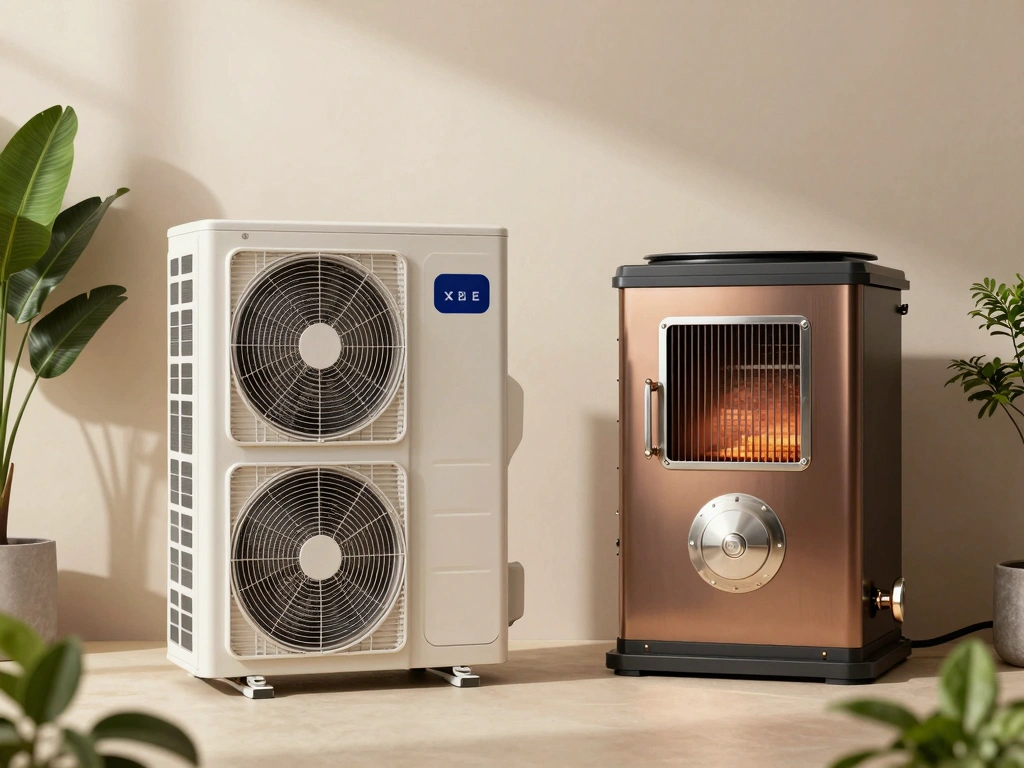
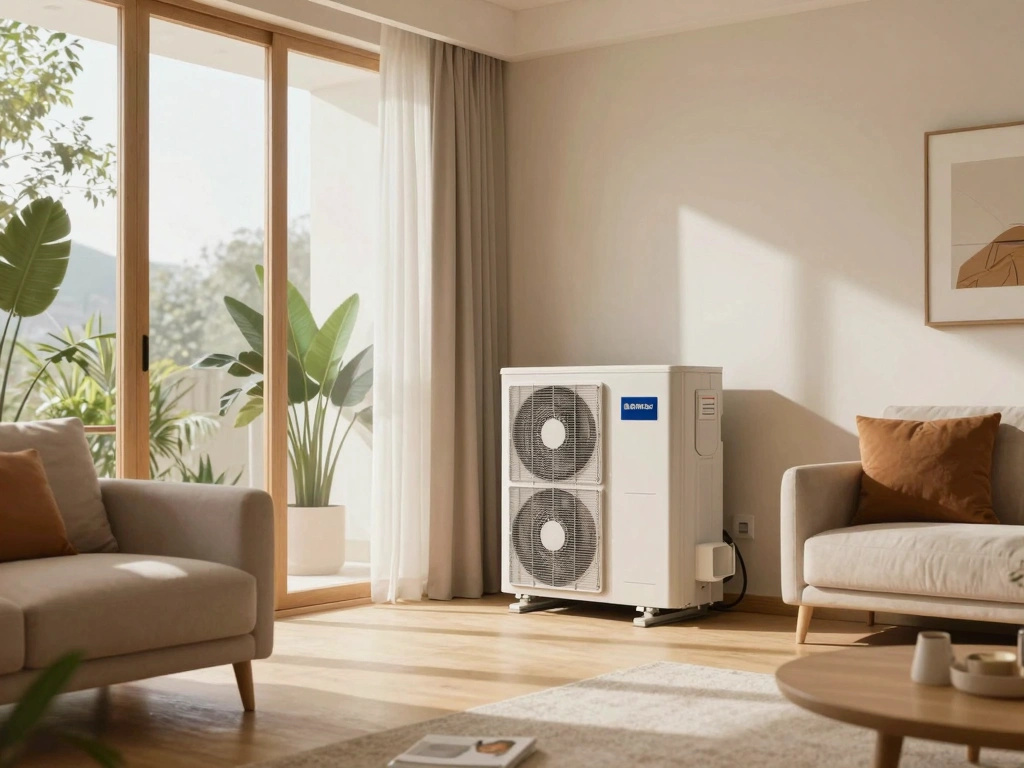
- Heat Pump Water Heaters: These units use electricity to move heat rather than generate it, making them very efficient, though they require more space.
- Solar Water Heaters: Eco-friendly and cost-effective in the long run, but they can be affected by weather conditions and may require backup systems.
Energy Efficiency Ratings Explained
Energy efficiency is crucial when evaluating water heaters. Look for the Energy Factor (EF) rating, which indicates the efficiency of the unit. A higher EF means more efficient performance, resulting in lower energy bills over time. Understanding the impact of energy ratings can help you choose a unit that aligns with your sustainability goals.
How to Assess Your Home’s Hot Water Needs
Consider your household's daily hot water usage. Families that use multiple appliances simultaneously—like laundry machines, showers, and dishwashers—may require a larger capacity or a high-demand system. Estimating your peak usage can help narrow down the options effectively.
Cost Considerations for Water Heater Replacement in Fort Worth
When budgeting for a water heater replacement, several factors play a role in determining the overall cost. Understanding these can aid in making an informed decision and avoiding surprise expenses.
Average Costs and Factors Affecting Pricing
The average cost for water heater installation in Fort Worth typically ranges between $800 to $1,500, depending on the type of heater, installation complexity, and local labor costs. Factors such as the age and readiness of existing plumbing or electrical systems may also influence the final cost.
Understanding Warranty and Maintenance Costs
Most water heaters come with manufacturer warranties that cover parts for 6 to 12 years. However, warranties often do not cover labor costs for repairs or replacements. Be sure to ask about extended warranty options and the specifics of what each covers. Regular maintenance is also key in prolonging the lifespan of your water heater and can involve periodic flushing and inspections.
Budgeting for Upgrades and Permits
In some cases, local building codes may require permits for water heater replacement. These permits can add to your overall costs, so it's wise to factor this into your budget. Upgrading to a more energy-efficient model may also come with upfront costs but can yield significant savings on your energy bills in the long run.
Choosing a Professional for Water Heater Installation
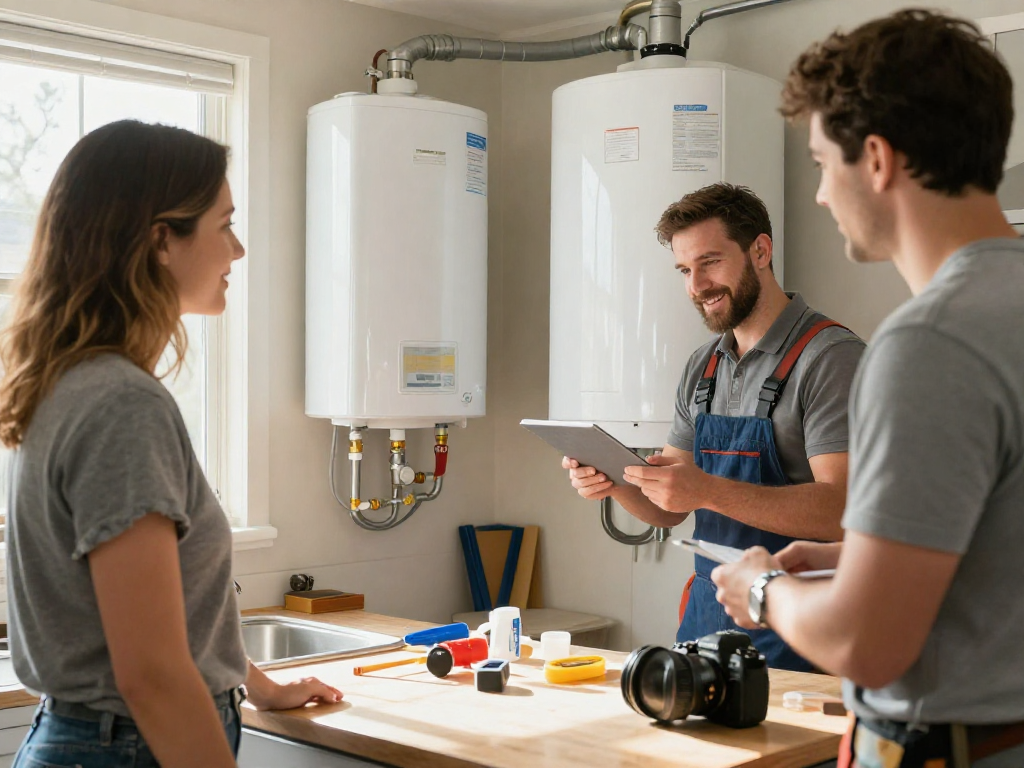
Hiring a qualified plumber is essential for the safe and efficient installation of your new water heater. A professional can ensure that your system meets all local codes and operates optimally.
What to Look for in a Licensed Plumber
When selecting a plumber, ensure they are licensed, insured, and experienced in water heater installations. Look for reviews and testimonials that speak to their reliability and quality of service.
Questions to Ask Before Hiring
Before making your decision, consider asking potential plumbers:
- What types of water heaters do you recommend for my needs?
- Can you provide an estimate, including all potential costs?
- How long will the installation take?
- What is your warranty on installation services?
Understanding Estimates and Service Agreements
Obtaining detailed estimates will help you understand what you're paying for. Look for transparency in costs related to materials, labor, and any additional services. A solid service agreement should outline all phases of the work and what to expect post-installation.
Future Trends in Water Heater Technology
As technology advances, the efficiency and functionality of water heaters continue to improve. Staying updated on these trends can help homeowners make informed decisions for the future.
Innovative Features to Look for in 2026
In coming years, water heaters will increasingly feature advanced controls and improved efficiency metrics. Homeowners should look for units that offer smart technology, allowing for remote monitoring and control via mobile apps.
Smart Technology Integration
Integration with home automation systems is becoming a standard feature. Smart water heaters can optimize energy use based on real-time data, learning your family's usage patterns and adjusting heating accordingly.
Predictions for Energy Efficiency Improvements
Future models are predicted to deliver even higher energy efficiency ratings. Expect to see advances in insulation technology and heating elements that reduce energy consumption and costs significantly.
What Are the Environmental Considerations?
As energy conservation continues to be a paramount concern, future water heaters will likely incorporate renewable energy sources, such as solar power. This shift is not only beneficial for homeowners' wallets but also crucial for minimizing environmental impact.
How to Make the Right Choice for Your Home?
When considering a new water heater, weigh all factors: your hot water needs, energy efficiency, installation costs, and future technological advancements. Consulting with a qualified plumber can provide you with the insights necessary to choose a model that best fits your lifestyle and budget.