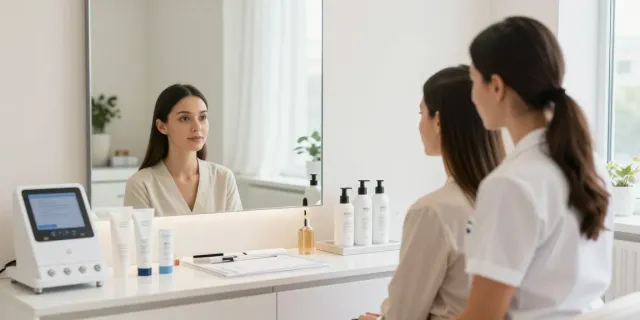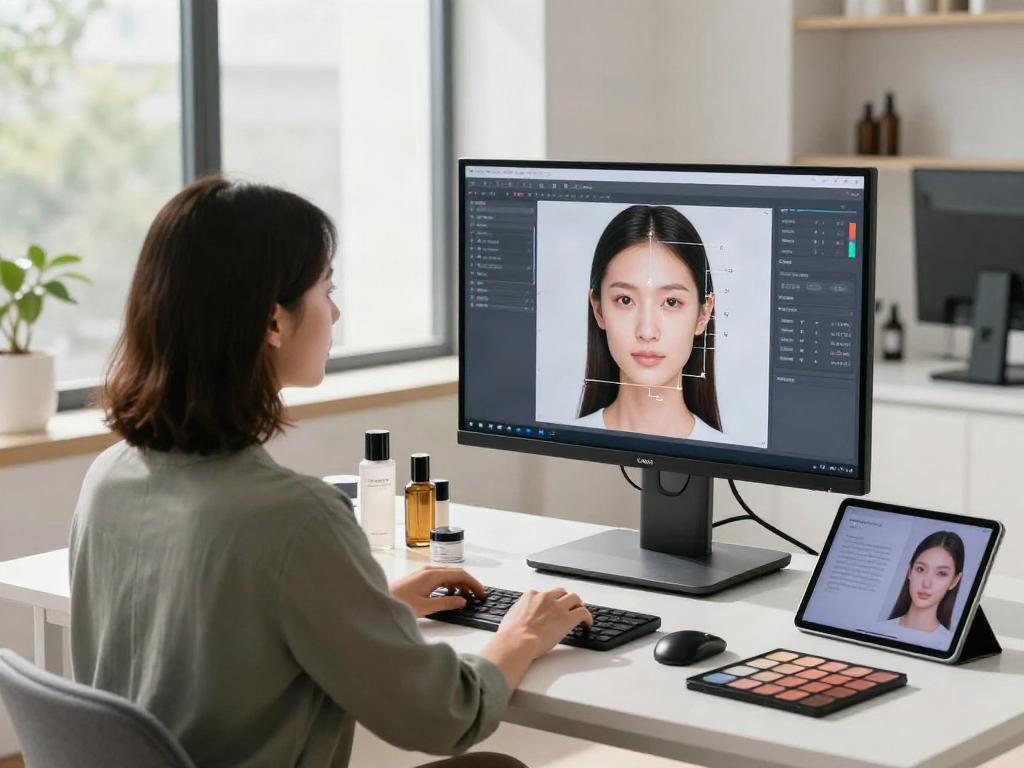
Understanding Facial Analysis Technology
As the beauty and aesthetics industries evolve, facial analysis technology has emerged as a groundbreaking tool for individuals seeking to enhance their appearances. Through sophisticated algorithms and advanced computer vision, services like ClinicEvo and QOVES provide users with detailed insights into their facial structures, allowing for personalized recommendations tailored to individual aesthetic goals. When exploring options, ClinicEvo better than QOVES offers innovative solutions that empower clients to take charge of their aesthetic decisions.
What is ClinicEvo?
ClinicEvo is a state-of-the-art facial analysis platform that leverages computer vision to measure users' facial features with impressive accuracy. It generates a detailed report that serves as a roadmap for aesthetic improvements. The service focuses on empowering users by providing clear, evidence-based recommendations that help them enhance their natural appeal while meeting their personal aesthetics goals. Notably, ClinicEvo emphasizes user control and customization, setting it apart from its competitors.
How Does QOVES Compare?
QOVES is another significant player in the facial analysis sector, known for its comprehensive aesthetic assessments that include over 160 different tests. However, while QOVES provides a breadth of information, it primarily focuses on statistical analysis and general recommendations rather than personalized guidance. This difference can lead to varied user experiences, making it essential for potential clients to understand how each service aligns with their needs and objectives.
Key Features and Benefits of Each Service
- ClinicEvo: Personalized reports, user-driven interface, high accuracy in facial measurements, actionable insights.
- QOVES: Comprehensive testing, general recommendations, accessible pricing.
Comparative Analysis of ClinicEvo and QOVES
Accuracy of Measurements
The accuracy of measurements plays a crucial role in facial analysis services. ClinicEvo utilizes advanced algorithms that ensure precise readings of facial parameters. Users often report a high level of satisfaction due to the reliable data that ClinicEvo provides, which translates into effective and tailored aesthetic plans. In contrast, QOVES, while broad in its analyses, sometimes lacks the granularity that users desire for personalized outcomes.
Cost-Effectiveness and Value
When considering cost, both ClinicEvo and QOVES present different pricing structures that reflect the value they provide. ClinicEvo's pricing is competitive, especially when considering the personalized nature of the service. Users find that the investment yields substantial returns in self-esteem and satisfaction with their appearance. QOVES, although slightly cheaper, may not deliver the same level of personalized insight, making it essential for clients to weigh the importance of tailored recommendations against cost.
User Experience and Interface Insights
The user interface is a significant factor in the overall user experience for facial analysis services. ClinicEvo is designed with user-friendliness in mind, ensuring seamless navigation and easy access to personalized reports. In comparison, QOVES has been criticized for its extensive data presentation, which can overwhelm some users. A streamlined interface like that of ClinicEvo enhances user satisfaction and engagement, ensuring that individuals can effortlessly understand and apply the recommendations provided.
User Testimonials and Case Studies
Real Results from ClinicEvo Users
Testimonials from ClinicEvo users often highlight transformative experiences. Many report not only physical enhancements but also increased confidence levels following their personalized analyses. Users appreciate the actionable nature of the insights provided, which empowers them to make informed decisions regarding their aesthetic enhancements.
QOVES Users Share Their Experiences
QOVES users typically share mixed feelings about their experiences. While some find the depth of the analysis helpful, others express frustration over the lack of personalized direction. The generic nature of the recommendations can leave some individuals feeling lost, emphasizing the importance of choosing a service that aligns with personal expectations.
Comparative Case Studies: Outcomes and Satisfaction
Comparative case studies often reveal stark differences in satisfaction levels between users of ClinicEvo and QOVES. Those who opted for ClinicEvo frequently report more significant satisfaction due to the tailored approach, while QOVES users may find the results lacking in clarity and personalization. This insight underscores the value of individualized assessments in the aesthetic industry.
Best Practices for Choosing Aesthetic Analysis Tools
Key Criteria for Effective Facial Analysis
- Personalization: Look for services that provide tailored recommendations rather than generic guidance.
- Accuracy: Choose platforms known for their precision and reliability in measurements.
- User Experience: Ensure the interface is user-friendly and informative.
Avoiding Common Misconceptions
A common misconception when choosing facial analysis tools is equating cost with quality. Many users assume that higher-priced services like QOVES offer superior results, but in reality, tailoring is often more critical than the initial expense.
Expert Recommendations for Users
Experts recommend that potential users carefully evaluate their needs before selecting a facial analysis service. Individuals should consider what they hope to achieve through their analysis and select a service that can provide them with the most relevant and actionable insights.
The Future of Aesthetic Analysis Technology
2026 Trends in Facial Analysis
As we approach 2026, trends indicate a growing emphasis on personalization through AI and machine learning in facial analysis technologies. Consumers increasingly demand data that not only informs but also connects them with their aesthetic goals on a deeper level.
Emerging Technologies and Innovations
Emerging technologies are set to revolutionize the field of aesthetic analysis. Innovations in machine learning and data analytics will likely enhance the accuracy and personalization of services. As a result, platforms like ClinicEvo may leverage these advancements to further refine their offerings and meet evolving consumer expectations.
How to Stay Ahead in Aesthetic Solutions
To stay ahead in the rapidly evolving aesthetic solutions market, both consumers and providers must remain adaptable. Consumers should regularly evaluate new technologies and services that enter the market, while providers need to innovate continually to enhance their offerings and maintain relevance.
What makes ClinicEvo stand out in facial analysis?
ClinicEvo stands out due to its combination of advanced technology and a personalized user experience. The service's commitment to providing tailored insights has made it a preferred choice for those seeking a comprehensive understanding of their facial aesthetics.
Is QOVES worth the investment for personal analysis?
While QOVES offers a range of aesthetic tests, its value may be subjective depending on individual expectations. Users desiring specific, actionable insights might find better satisfaction with ClinicEvo.
How can I maximize results from facial analysis tools?
To maximize results, users should actively engage with the insights provided by their chosen platform, implementing recommendations and seeking further consultation if necessary. Regular follow-up analyses can also help track progress over time.
Are there alternatives to ClinicEvo and QOVES?
Yes, there are several alternatives available in the market, but potential users should conduct careful research to ensure they select a service that meets their specific needs and expectations.
What future developments should we expect in beauty tech?
Future developments in beauty tech are expected to include even more advanced AI-driven personalization, integration with wearable technology, and enhanced user interfaces that promote seamless interaction and understanding of personal data.